
Outdoor Activities in Texas That Make Great Family Memories
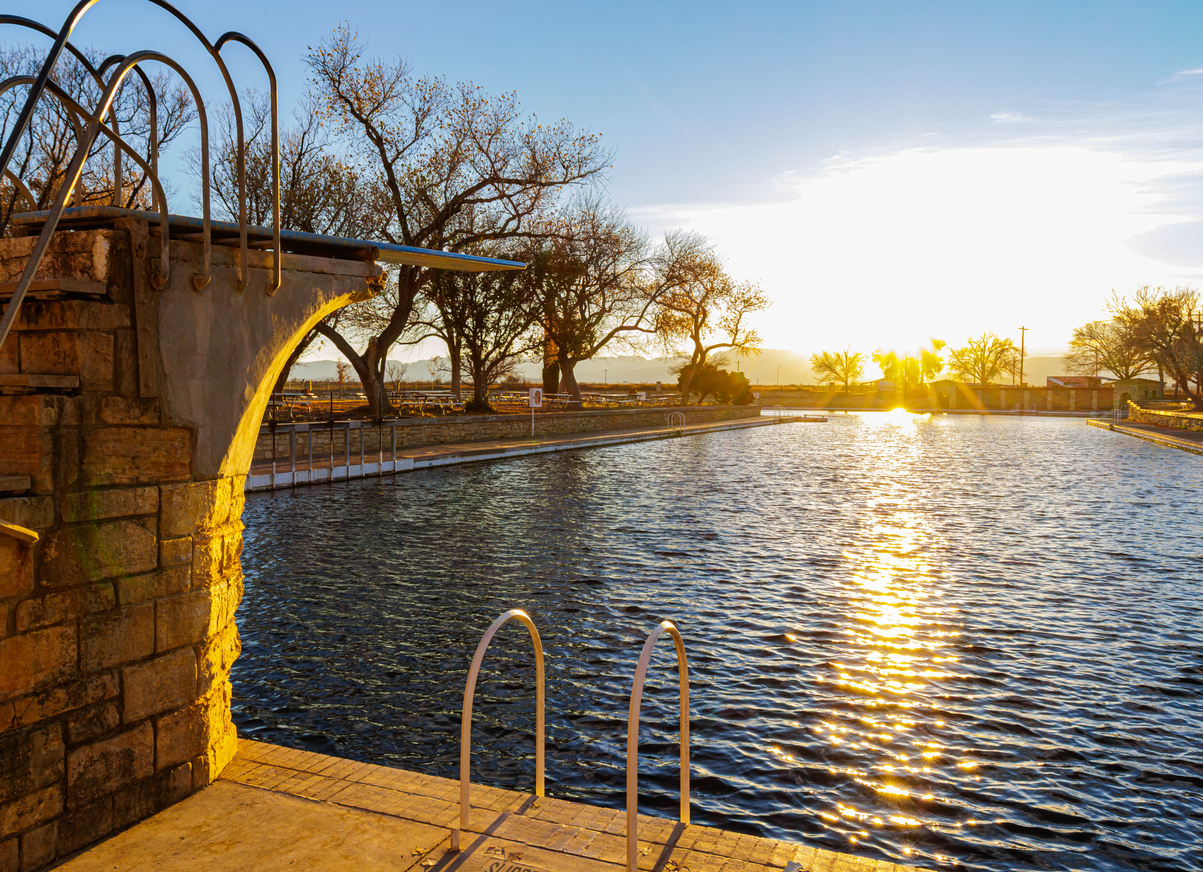
You'll find Texas offers year-round outdoor adventures perfect for creating family memories, from swimming in Balmorhea State Park’s spring-fed pool that stays around 72–76°F year-round to paddling Caddo Lake’s maze of bayous and cypress trees, where alligators can often be seen resting along the banks. Your kids can fish without a license inside Texas State Parks, build sandcastles along hundreds of miles of Gulf Coast shoreline, or float down the Guadalupe River in the Hill Country.
Below, you'll discover destinations tailored to different ages and the best seasons for each activity.
Best Family Destinations by Region and Kids' Ages
When planning your Texas family trip, choosing destinations based on age helps maximize enjoyment.
Toddlers and younger kids benefit from controlled environments like Jellystone Park Camp-Resorts, which offer water features and playgrounds, or Moody Gardens in Galveston, which combines indoor and outdoor attractions.
Elementary-aged children enjoy interactive destinations like the Texas State Aquarium in Corpus Christi, South Padre Island’s Sea Turtle, Inc., and the Fort Worth Stockyards, where they can watch cattle drives and explore Western heritage.
Teenagers often gravitate toward more active experiences, such as Lake Conroe water sports, Hill Country tubing, or road trips along Route 66 through Amarillo.
Multi-generational trips work well in places like the Texas Hill Country, where you’ll find a mix of scenic drives, outdoor recreation, and family-friendly resorts like Camp Fimfo and Margaritaville Lake Resort Lake Conroe.
Swim Spring-Fed Pools at Balmorhea and Natural Swimming Holes
Texas offers some of the most unique swimming spots in the country. Balmorhea State Park, located in West Texas, features one of the largest spring-fed swimming pools in the world, covering about 1.3 acres and fed by San Solomon Springs.
The water remains consistently clear and comfortable year-round, making it ideal for snorkeling and swimming. Depths reach up to 25 feet, and the pool supports native fish species that you can observe while swimming.
Reservations are often required due to visitor limits, so planning ahead is essential, especially during weekends and holidays.
Paddle Caddo Lake's Cypress Forests and Explore Coastal Waters
Paddling is one of the best ways to experience Texas’s ecological diversity.
At Caddo Lake, located on the Texas-Louisiana border, you’ll navigate slow-moving bayous lined with bald cypress trees draped in Spanish moss. The lake contains over 50 miles of paddling trails, and wildlife sightings often include turtles, birds, and occasional alligators.
On the coast, areas around Galveston Bay and Aransas Bay offer calmer paddling routes where dolphins are sometimes spotted, especially on guided tours. Outfitters provide rentals and beginner-friendly excursions for families.
Fish Texas State Parks Without a License
One of the most family-friendly policies in Texas allows you to fish without a license inside all Texas State Parks. This applies to both freshwater and saltwater areas within park boundaries.
Many parks also offer tackle loaner programs, making it easy for beginners to try fishing without investing in gear. Popular spots include Inks Lake State Park, Lake Livingston State Park, and Goose Island State Park.
While a license isn’t required inside parks, statewide fishing regulations—such as size and bag limits—still apply.
Typical Costs for Family Outdoor Activities in Texas
Understanding typical costs helps you plan your budget before your trip.
State Park Entry Fees: Usually $5–$7 per adult, with children 12 and under free
Camping Fees: Around $15–$35 per night depending on amenities
Tube Rentals (Guadalupe River): Approximately $20–$30 per person, often including shuttle service
Kayak Rentals: Typically $15–$25 per hour or $40–$70 per day
Sand Disc Rentals (Monahans): Around $5 per day
Guided Cave Tours (Colorado Bend): About $10–$25 per person
Many parks and outdoor areas offer affordable or free entry for children, making Texas a budget-friendly destination for families.
Spot Alligators, Bison, and Hundreds of Bird Species
Wildlife viewing is one of Texas’s most rewarding outdoor activities.
At Brazos Bend State Park, near Houston, you can safely observe American alligators from designated viewing areas. Boardwalks and observation towers make it easy for families to explore.
For birdwatching, the Great Texas Coastal Birding Trail spans hundreds of miles and supports 600+ bird species, especially along the Gulf Coast.
Bison can be seen in managed environments like Caprock Canyons State Park, which is home to the official Texas State Bison Herd.
Hike Scenic Trails and Explore Caves at Colorado Bend State Park
Colorado Bend State Park, located in Central Texas, offers a mix of hiking, waterfalls, and cave exploration. The park contains over 35 miles of trails, including the popular route to Gorman Falls, a 70-foot spring-fed waterfall.
Guided cave tours are available through authorized outfitters, giving visitors access to parts of the park’s extensive cave system. These tours vary in difficulty, with options suitable for families and more adventurous visitors.
Because access is limited and conditions can change, reservations are recommended for cave tours.
Tube the Guadalupe River for a Classic Texas Experience
Floating the Guadalupe River is a classic Texas summer tradition, especially between Canyon Lake and New Braunfels.
Outfitters along River Road provide tube rentals, shuttle services, and safety guidance. Calm sections are suitable for beginners and families, while faster-moving stretches require more experience and caution.
Water temperatures remain cool due to dam releases, making tubing a refreshing option even during peak summer heat.
Build Sandcastles Along the Texas Gulf Coast
Texas offers over 350 miles of Gulf Coast shoreline, with family-friendly beaches stretching from South Padre Island to Galveston.
Stewart Beach in Galveston is one of the most popular family beaches, offering lifeguards, restrooms, and equipment rentals. Galveston Island State Park provides a quieter experience with opportunities for camping, kayaking, and wildlife viewing.
Many beaches allow leashed pets, and wide, flat shorelines make them ideal for biking, walking, and sandcastle building.
Climb Sand Dunes at Monahans Sandhills State Park
For a completely different landscape, head to Monahans Sandhills State Park in West Texas. The park features rolling sand dunes that can reach up to 70 feet high.
Visitors can rent sand discs to slide down the dunes, making it a safe and fun activity for kids. Cooler months and early mornings provide the best conditions, as summer heat can make the sand extremely hot.
Year-Round Weather and Seasons for Texas Family Adventures
Texas's size creates distinct regional weather patterns that shape outdoor travel.
Spring (March through May) offers mild temperatures ideal for hiking, wildflower viewing, and park visits, though severe weather like thunderstorms and tornadoes can occur in North Texas.
Summer brings extreme heat, often exceeding 95–100°F, especially in central and southern regions. Early morning and water-based activities—like beaches, rivers, and lakes—are the safest and most comfortable choices.
Fall (September through November) is one of the best seasons for outdoor travel, with cooler temperatures and fewer crowds. While Texas doesn’t have widespread fall foliage like northern states, you’ll still find seasonal color in areas like Lost Maples State Natural Area.
Winter remains mild across much of the state, particularly along the coast and in South Texas. Snow is rare and typically limited to the Panhandle and far West Texas, making winter ideal for hiking, wildlife viewing, and exploring state parks without summer heat.
What to Pack for Texas Family Outdoor Trips
Preparing for Texas weather and terrain helps keep your trip safe and comfortable.
Hydration: Bring plenty of water—at least one liter per person per hour during summer activities
Sun Protection: Pack sunscreen, hats, sunglasses, and lightweight long-sleeve clothing
Footwear: Closed-toe shoes for hiking and water shoes for rivers or rocky shorelines
Cooling Gear: Towels, portable fans, or cooling neck wraps for hot days
Snacks and Meals: Many parks have limited food options, so pack easy, non-perishable snacks
First Aid Kit: Include bandages, insect repellent, and basic medications
Waterproof Bags: Useful for kayaking, tubing, or beach trips
Planning ahead helps prevent common issues like dehydration, sunburn, and fatigue—especially for younger travelers.