
Why Classic TV Fathers Still Influence Pop Culture
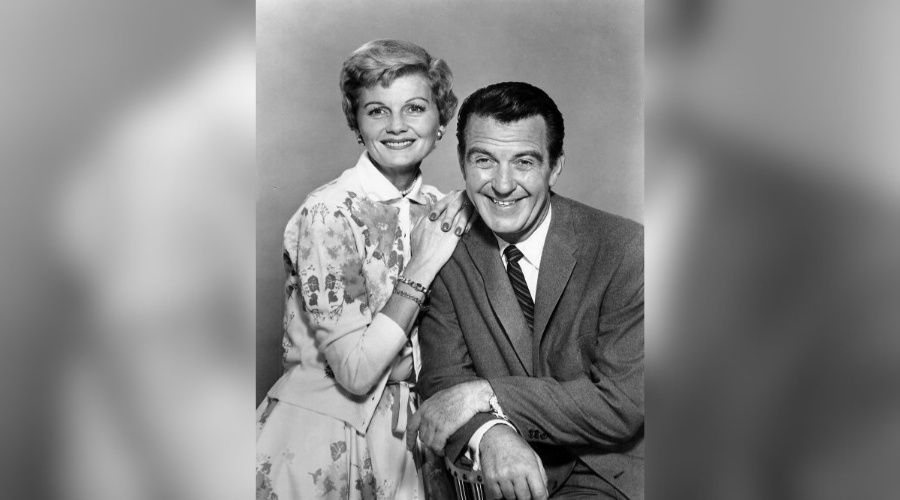
Classic TV fathers still influence pop culture because they established emotional benchmarks that writers, audiences, and even real families continue to reference. These characters weren’t just part of entertainment—they helped define what fatherhood looked like on screen during formative decades of television.
From calm authority figures like Andy Taylor to structured family leaders like Mike Brady, these portrayals shaped expectations around communication, discipline, and emotional presence. Even when modern shows move away from these ideals, they still exist as points of comparison—something to challenge, reinterpret, or return to.
What Made Classic TV Dads So Unforgettable?
Classic TV dads stood out because they balanced authority with empathy in a way that felt aspirational yet believable. Characters like Ward Cleaver and Jim Anderson acted as moral anchors, offering guidance without dominating every situation. Their presence created stability within the household, making them figures audiences could trust.
At the same time, they weren’t written as flawless. Their mistakes were part of the storytelling, but those mistakes were always followed by reflection and resolution. This pattern—problem, conversation, growth—became a defining structure of early television narratives. It showed that fatherhood wasn’t about perfection, but about consistency and accountability.
Even comedic fathers like Rob Petrie introduced a different dimension. Humor wasn’t separate from parenting—it was part of it. This blend of seriousness and relatability made these characters feel human rather than symbolic. That balance is what made them memorable, and it’s why audiences continue to reference them decades later.
The Life Lessons Classic TV Dads Taught That Still Hold Up
What made those TV dads stick wasn't just their personalities—it was the lessons they handed down that you still catch yourself applying today. Their honesty lessons and emotional resilience teachings remain surprisingly relevant. Here's what they consistently modeled:
- Tell the truth—Jim Anderson made honesty non-negotiable, even when inconvenient
- Work with full commitment—Mike Brady's "give it all you've got" mentality still hits differently
- Earn respect, don't demand it—Andy Taylor proved authority built on trust outlasts fear
- Show vulnerability—Uncle Phil's emotional resilience reminded you that real strength means feeling things fully
These weren't just scripted moments. They were blueprints. Whether you noticed it or not, those lessons shaped how you handle hard conversations, setbacks, and the people you love. Jack Pearson showed that manhood includes nurturing, listening, and admitting faults rather than projecting a flawless image.
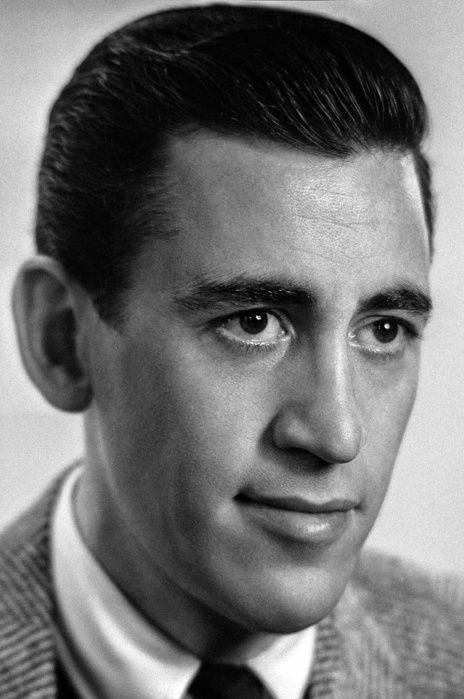
Much like how J.D. Salinger's Holden Caulfield became an icon of teenage rebellion that resonated across generations, these TV fathers captured something universally true about the emotional struggles people quietly carry.
How Andy Taylor and Mike Brady Set the Standard
Andy Taylor and Mike Brady represent two of the clearest templates for fatherhood in television history, but they approached it in different ways.
Andy Taylor’s strength came from simplicity. As a widowed father, he relied on patience, conversation, and quiet authority. His approach emphasized guidance over control, showing that leadership within a family didn’t require force. His calm demeanor made him approachable, reinforcing the idea that respect could be built through trust.
Mike Brady, on the other hand, represented structure within a blended family. His role required coordination, fairness, and open communication across multiple relationships. Family meetings became a recurring device, giving each member a voice and reinforcing collective decision-making.
Together, these characters created complementary models—one grounded in emotional intuition, the other in organized leadership. Modern portrayals often draw from both, combining warmth with structure to reflect more complex family dynamics.
Where Modern TV Dads Break From the Classic Mold
Since Andy Taylor and Mike Brady set the bar, modern TV has largely abandoned their blueprint. You'll notice today's sitcom dads rarely lead — they fumble, get mocked, and need rescuing by their own kids. This generation gap between classic and modern portrayals is stark. Modern TV dads typically reflect these broken patterns:
- Buffoonish behavior replacing confident leadership
- Workplace absence substituting for active provider roles
- Wives and children openly belittling fathers for laughs
- Beer and stupidity defining dad's entire personality
Mother jokes at fathers' expense nearly tripled between the 1950s and 1990. With households consuming 40+ hours of TV weekly, you're watching these demeaning portrayals shape how entire generations understand fatherhood — and not for the better. This cultural drift is so pervasive that many people now struggle to find Father's Day cards that portray fathers as competent and loving.
Check out MrPopCulture.com and learn more about pop culture trends in Television and films.
The Movie Dads Who Taught TV Writers About Fatherhood
Film has often pushed fatherhood portrayals further than television, exploring themes that require more depth, tension, and emotional range. Characters like Chris Gardner (The Pursuit of Happyness) or Furious Styles (Boyz n the Hood) present fatherhood under pressure—financial instability, systemic challenges, and personal sacrifice.
What makes these portrayals impactful is their lack of neat resolution. Film allows fatherhood to exist in uncertainty—where effort doesn’t always guarantee success, and love doesn’t always solve the problem immediately. This introduces a more realistic version of parenting, one where growth is gradual and often difficult. The emotional stakes feel higher because the consequences extend beyond a single moment or lesson.
Television eventually absorbed this complexity. Modern series began moving away from isolated, self-contained episodes and toward long-form storytelling. Father figures are now allowed to fail repeatedly, evolve slowly, and carry emotional weight across seasons. Film didn’t replace the classic TV model—it expanded it, giving writers a broader emotional toolkit to draw from when shaping fatherhood on screen.
Peak TV Dad Moments That Became Cultural Touchstones
Certain moments in television don’t just entertain—they become cultural reference points that audiences recognize instantly. Over time, repetition transforms these scenes into shared experiences, creating a collective understanding of what fatherhood “looks like” in media.
Moments like backyard barbecues, late-night advice conversations, or even small gestures—teaching a child something, offering reassurance, or admitting a mistake—become symbolic. They’re simple on the surface, but their consistency across shows gives them meaning. These recurring patterns form a kind of visual shorthand, allowing audiences to interpret a character’s role without explicit explanation.
What’s interesting is how these moments evolve without losing their core function. In older shows, they often emphasized authority and guidance. In modern series like This Is Us, they lean more toward emotional vulnerability and connection. In shows like Bluey, they’re even more subtle—focused on play, presence, and everyday interaction. The tone changes, but the structure remains. Specific moments continue to define how audiences interpret fatherhood, reinforcing its place in pop culture.
Why Classic TV Dads Still Top Every Best Dad List
Classic TV fathers continue to rank highly not just because of nostalgia, but because they represent clarity in storytelling. Their roles were clearly defined, their values were consistent, and their presence within the narrative was stable. This makes them easy to recognize, evaluate, and compare.
In contrast, modern father figures are often written with greater complexity. They may be emotionally layered, flawed, or evolving—but that complexity can make them harder to categorize. Audiences may connect with them more deeply, but they don’t always fit neatly into “best” lists because their strengths and weaknesses are more intertwined.
Classic dads function almost like benchmarks. They provide a reference point—a standard against which newer portrayals can be measured. At the same time, contemporary characters like Coach Taylor or Randall Pearson are beginning to share that space by combining emotional depth with consistent presence. This suggests that the standard hasn’t disappeared—it has expanded, making room for both clarity and complexity in how fatherhood is defined.
Why Today's TV Writers Still Look to Classic TV Dads
Writers continue to return to classic TV dads because they offer a reliable structural foundation. These characters established storytelling patterns—guidance through conversation, conflict resolution through understanding, and emotional support through presence—that remain effective today. Writers keep returning to these archetypes because they deliver:
- Emotional anchors — wisdom and unconditional love that audiences immediately recognize
- Cultural benchmarks — portrayals that reflect idealized values across generations
- Contrast material — the competent classic dad highlights the bumbling modern dad's failures
- Built-in credibility — characters like Jed Clampett established the "voice of reason" template
Unfortunately, recycling these archetypes sometimes means TV portrayals lag behind how real fathers actually live today. Network decisions and cultural biases have long shaped which fathers even make it to the screen, as seen when CBS resisted Norman Lear's effort to depict an intact Black family on Good Times before 1974.
How Pop Culture Keeps Reinventing the TV Dad
Pop culture doesn’t simply preserve older archetypes—it continuously reshapes them to reflect changing values. Each generation redefines what fatherhood looks like, adapting the role to match shifting expectations around family, work, and emotional expression.
Recent portrayals emphasize involvement and emotional availability in ways that earlier shows only hinted at. Fathers are now shown participating more actively in daily life—handling routines, expressing vulnerability, and engaging in open communication. This reflects broader cultural shifts toward more balanced and present parenting roles.
At the same time, the influence of classic TV dads hasn’t disappeared. Traits like stability, guidance, and responsibility still exist—they’re just expressed differently. Instead of authority-driven leadership, modern characters often lead through collaboration and empathy. This blending of old and new keeps the archetype dynamic, allowing it to evolve without losing its core identity.
The Role of Nostalgia in Keeping Classic TV Dads Relevant
Nostalgia plays a powerful role in maintaining the relevance of classic TV fathers. These characters are tied to specific eras of television that many audiences associate with comfort, familiarity, and simplicity. Revisiting them offers a sense of stability that contrasts with the complexity of modern storytelling.
Streaming platforms have amplified this effect. Classic shows are now easily accessible, allowing new audiences to discover them while older viewers revisit them. This continuous exposure reinforces their presence in pop culture, keeping them part of ongoing conversations about media and family representation.
But nostalgia isn’t purely about preservation—it also reshapes perception. Modern audiences often reinterpret these characters through a contemporary lens, sometimes idealizing their qualities and other times recognizing their limitations. This process keeps them relevant, not as static figures, but as evolving cultural references.
Conclusion
Classic TV fathers remain influential because they established a foundation that continues to shape storytelling. Their traits, lessons, and narrative roles created a framework that modern media still builds upon. While portrayals have evolved to reflect more complex and realistic experiences, the core ideas behind these characters remain recognizable.
Stability, guidance, and emotional connection still define how fatherhood is written and understood. Rather than fading into the past, classic TV dads have become reference points—anchors that help audiences interpret newer portrayals. Their influence isn’t static. It continues to adapt, ensuring that fatherhood on screen remains both familiar and relevant in an ever-changing cultural landscape.